
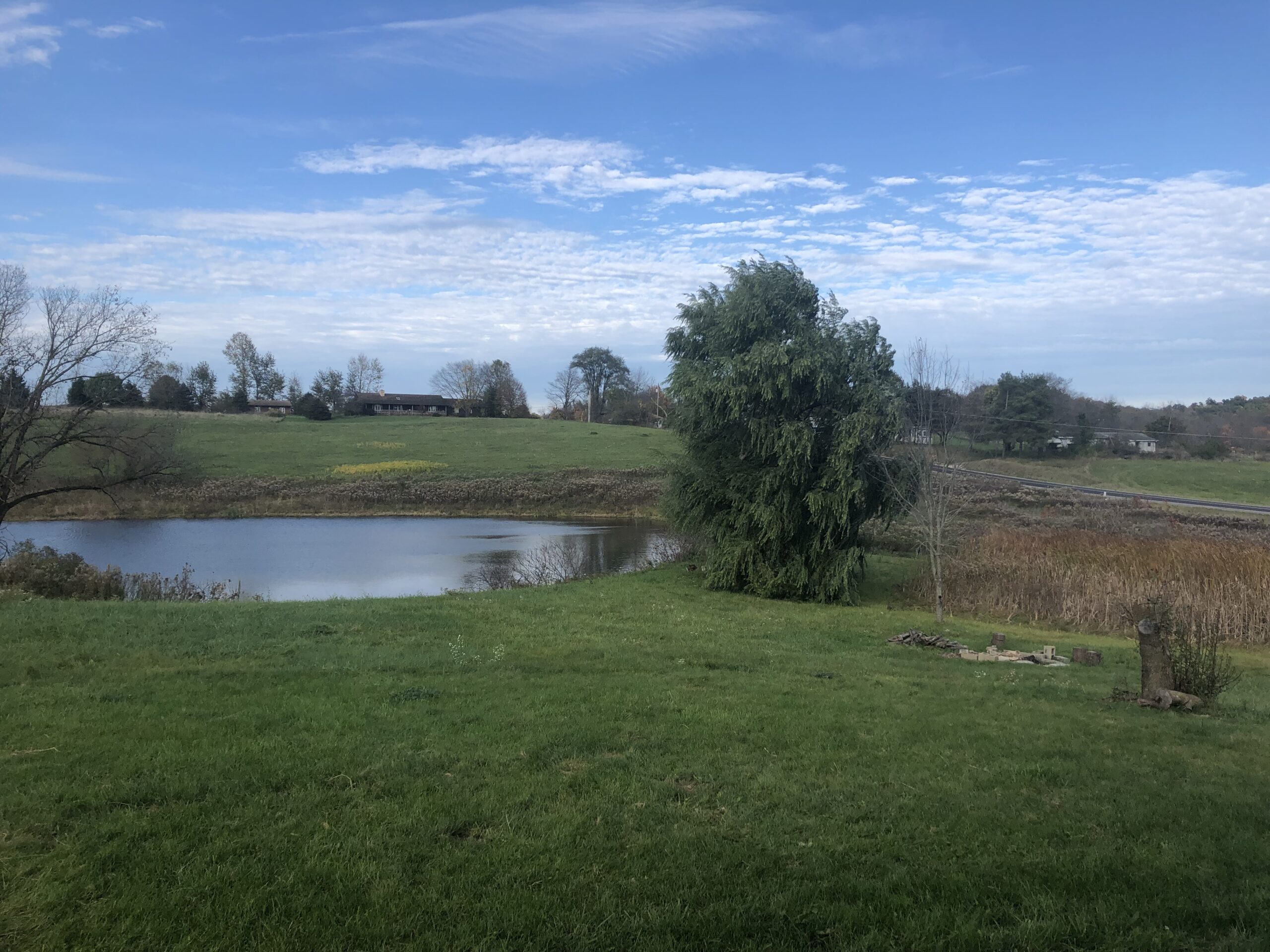
A Story About a Farm Part 4: In Which We Take the Plunge and Buy a Farm (Along with Six Lessons We Learned Along the Way)
This post is fourth in a series. Part 1, Part 2, Part 3
This fourth and final installment of our journey into farming took place over about a year. During this timespan, we went from wannabe farmers exploring our options, to fledgling farmers in possession of our own land and livestock.
To avoid boring our readers with a detailed account of our dealings with various realtors, home inspectors, and loan officers, we’ve instead divided the tale up into the various life lessons we learned along the way. So if you’d like to hear the story, along with the six most important lessons we learned on the way, read on!
By the time this fourth part of our story begins, we had been dabbling in farming on borrowed land for a bit over a year. We had come to the conclusion that buying and operating a farm was actually not an irresponsible and crazy thing to do.
Even for us.
Yes, us.
Children of the suburbs who were absolutely learning to farm while flying by the seat of our pants with a side of youtube videos. This realization was exciting. It was also “bracing” in a way akin to stepping into a cold shower. There is no reality check like the prospect of investing the money needed to buy a home with land. It makes your farming dreams seem absolutely real, and about as frightening as they are exciting.
Despite feeling a little bit like we were jumping off a cliff, we also knew that acquiring land of our own was the next logical step in our situation. We began by visiting several different farms of various sizes and levels of intensity. Through these visits, we learned our first lesson:
Lesson 1: It’s Hard to Make a Living as a Full-Time Farmer
The full-time farmers we met were honest with us about the difficulties they faced. Generating a large enough income to support a family solely by farming required many, many, long days of hard work, with a real possibility of failure and frustration. They were not about to encourage two newbies to put all their eggs in the farming basket, and with good reason. On the other hand, the farmers who farmed “on the side” seemed to enjoy farming more, and were more enthusiastic about our prospects of doing something similar.
We had two facts to consider after this real-life research. First: it’s hard to make it as a full-time farmer even for a pro. Second: we were not pros. Our farming experience was limited to: raising a few pigs and meat chickens, a failed attempt at beekeeping, and the care of a small garden. Clearly, not pros.
We began searching for a context in which we could realistically farm alongside some other kind of work that could support our family. This search led to lesson two:
Lesson 2: Remote work is not too good to be true
At this opportune moment, Matthew received a full-time job offer to teach online classes from home. It was slightly ironic that he had had the opportunity of pursuing a similar job right after college. But teaching online classes from home had not been a very exciting idea for a young bachelor ready to take on the world.
The situation, by now, was drastically different. His home life was populated with children and future farm animals (not to mention his wife). It was clear that it already held all the excitement that anyone could wish for. With this in mind, the idea of a slower pace on the career front seemed like a great fit.
Working remotely also had two major points in its favor from a farm-launch perspective.
First, given the fact that our family was young and still growing, the idea of having two adults around most of the time really was something of a necessity. While Frances is a woman of many talents, she was not confident in her ability to chase down large escaped animals with one hand while nursing a baby with the other. She especially did not want to do all that while Matthew relaxed in an office somewhere in the city.
A second benefit of remote work was that it made our land search easier. We had the freedom to choose a place to live from a wide range of options. It would be much easier to find a farmable piece of land that within our budget.
Lesson 3: If you can choose to live anywhere, choose somewhere like Bloomingdale, OH
As we weighed the benefits of various possible locations, we realized that it was important to us to live among other like-minded families. We loved the idea of a rural life, but we didn’t want to end up miles from anywhere . . . or anyone.
Also, although we would like our children to live with us forever and never leave home, we had to admit that they might not always feel the same way about us. They might even want friends one day.
The discovery of several other families also undertaking small-scale farming in the Ohio Valley quickly brought the area to the top of our list of possible options. Other benefits that sealed the deal were that the area was within a reasonable distance of our extended family, and that we could actually afford to buy land there. It was time to consider specific properties, and this brought us to our fourth lesson.
Lesson 4: Spend Less Money on Less Land
We started our search by looking at bigger properties, in the range of around 30 acres. But a key turning point came when we read an article by somebody we had never hear of before or since,. His name was H. A. Highstone, and in 1942, he had published an article in an agrarian magazine called Free Ameria, which would impact the decision making of two of his readers almost 80 years later. He had pointed out that buying too much land was a common mistake of new farmers.
According to Mr. Highstone’s very convincing argument, a common temptation is to stretch yourself to the limits of your budget in order to acquire as much land as possible. The problem with this strategy is that owning a large amount of land can quickly become overwhelming, especially if you don’t really know what you’re doing (us). Meanwhile, if you have spent all of your money on the land, you have no capital left with which to develop it or buy the tools you will need to farm.
The same night as reading this article, Matthew could not sleep. He decided to while away the hours on realtor.com, bringing with him a renewed sense of interest in properties that fell in the 10 acre range. Lo and behold, he discovered a property in Bloomingdale, OH which had been listed that very day with a lot of approximately 11 acres. This discovery did not help Matthew to go back to sleep, which was annoying for him at the time. However, it made a fitting prelude to a future of losing sleep over farming in that very house.
Lesson 5. You Can’t Always Get What You Want (But you Don’t have to Start Out on your Dream Farm)
This is a lesson that is best learned as early in life as possible, but which also needs to be relearned countless times. When we finally found the property we would end up buying, we had to admit that it didn’t have everything we had dreamed of. Of especial note were the lack of established fruit trees, a wooded section, and a fireplace/woodstove in the house. But the real estate market was moving with the speed and agility of a runaway goat (this was 2021), and we had no guarantee that anything better would become available within our price range and in a comparably good location.
Buying something that was not ideal in every way, but that allowed us to get started, is a decision we don’t regret. Maybe one day we’ll have the chance to move to another farm that has more of the features we idealize. If we do, we’ll be glad of the many things we’ve learned by getting started with the land that was available to us.
Lesson 6: Start Farming Right Away (or Maybe Don’t)
There is a gradual approach to establishing new farm. This might look like spending a year or so settling in to your new house, unpacking, and generally getting your bearings, before slowly introducing various animals. To be completely honest, this approach did not even occur to us as a possible strategy for getting started.
After arriving in the strange and wonderful land of Bloomingdale, OH, we had a distinct sense of “what on earth are we doing here if we’re not farming?” Our eagerness to get started gathered strength with the realization of how annoying it is to have to go grocery shopping when a round-trip to the store takes almost an hour.
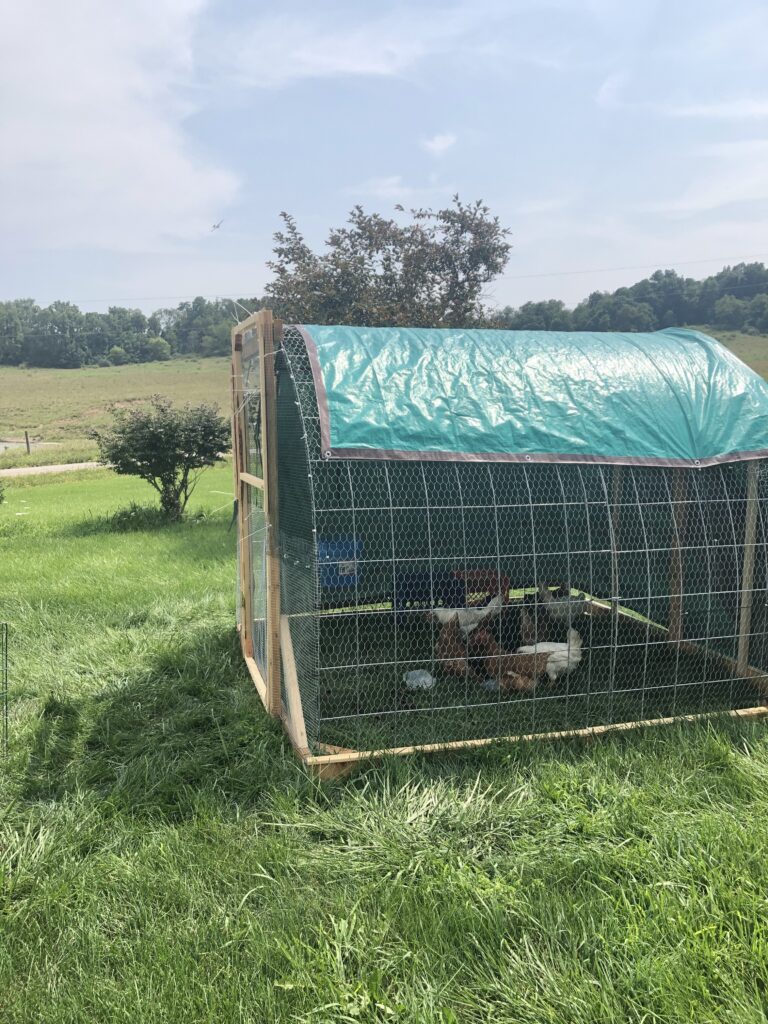
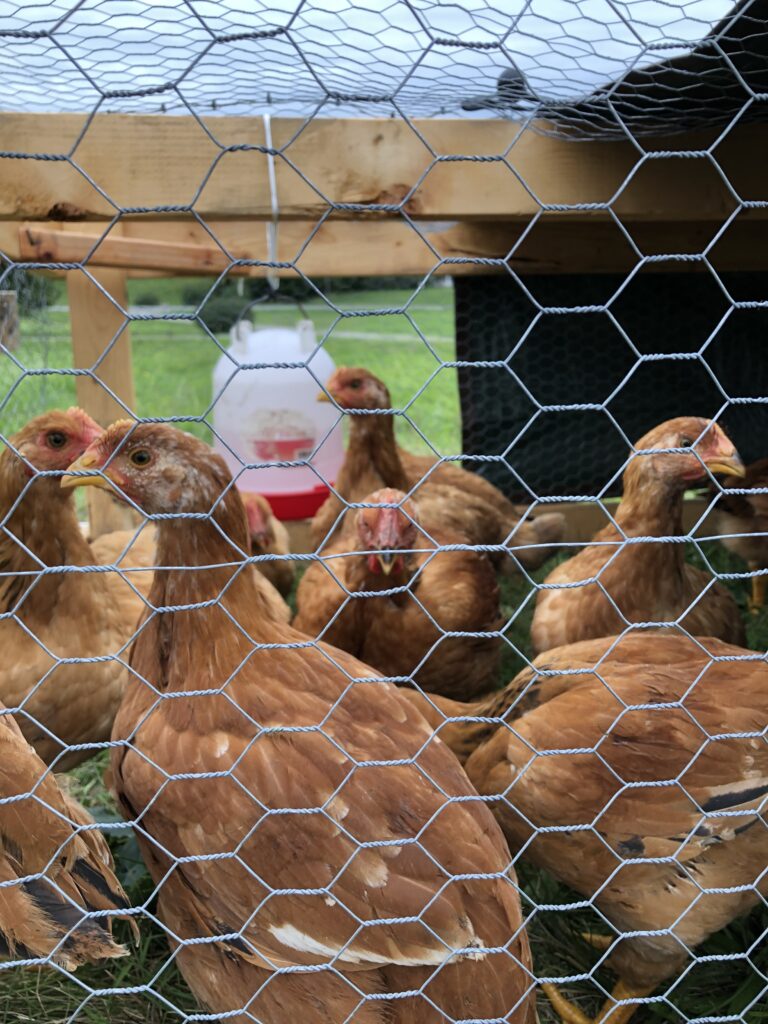
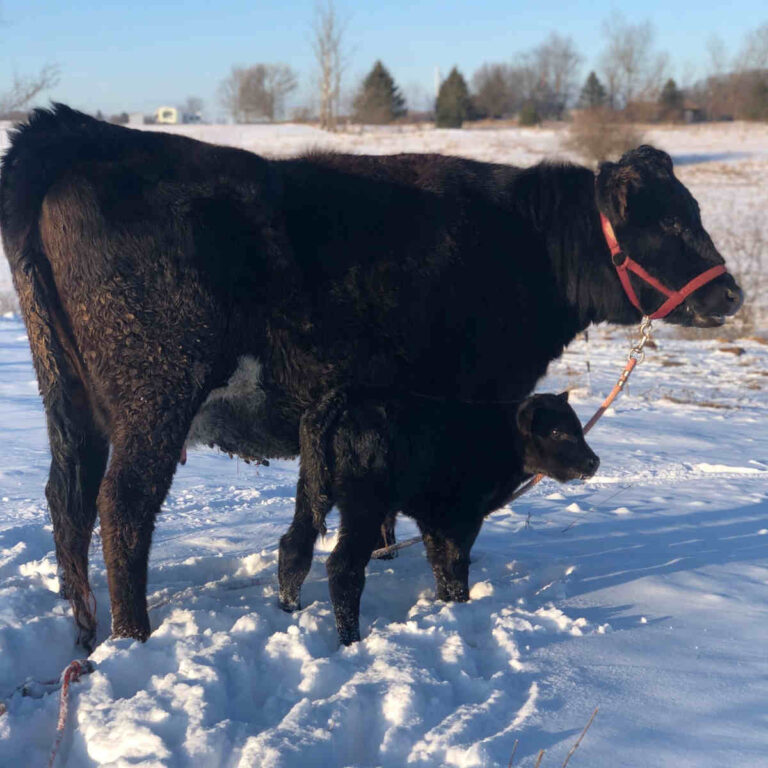
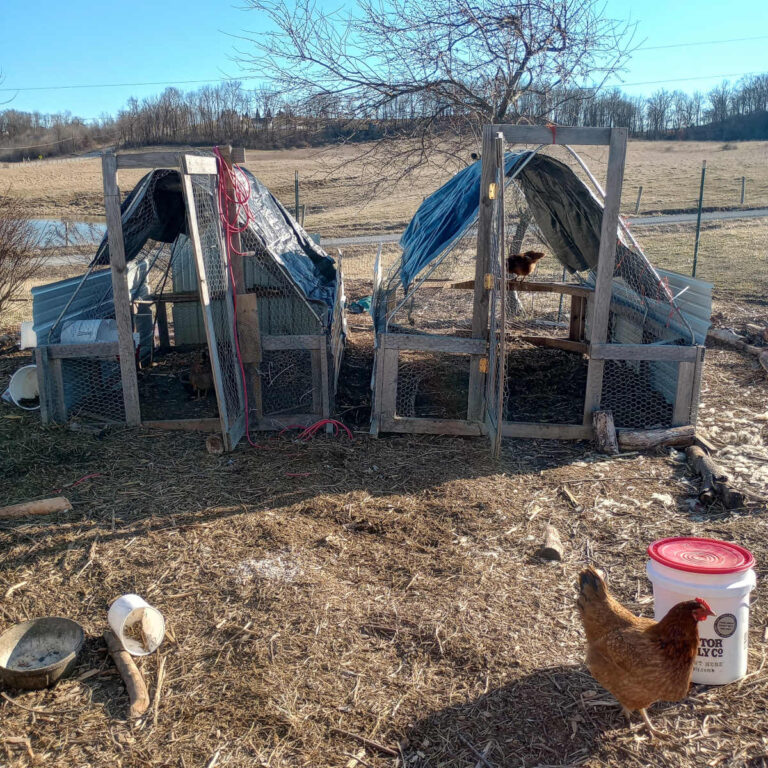
Thus, within a few weeks of the big move, we were spending our evenings building a chicken coop by the light of the motion-sensitive light over our driveway. Since we were working outside the range of the motion sensor, we frequently had to interrupt our work so that one or other of us could walk back towards the house, waving our arms in a strange dance in an effort to trip the light back on. Many screws were lost during this process, but the end result was a fine hoop house, into which we soon welcomed our first official farm animals. We also bought a dairy cow less than three months after moving in. But that is a story for another day.
Taking a more gradual approach probably has many benefits that we did not experience. But looking back on three years in which we’ve been able to feed our children (and ourselves) extraordinarily nourishing and delicious food, it’s hard to regret getting started as soon as we could. We’ve also had the opportunity to learn quite a few things ourselves.
Nevertheless, if you are reading this and hope to start your own farm one day, consider yourself warned. You too, can follow the “jump right in” model of farming. You can do it, even if you also have several minor repairs waiting for your attention in and around your new home. But if you get animals before attending to these repairs, your timeline for getting around to them should now be reckoned in years.
You can get a rough estimate of how many years, by adding one for each species of animal that you acquire. If you are also blessed with multiple small children slap a generous number of additional months onto the final total. As these years and months roll by, the rotting railing on your deck will continue to disintegrate until you are tripping over pieces of it on a frequent basis. You may also experience a mild-to-moderate attack of frustration every time you try to open your sliding door and go outside.
Farmers at Last
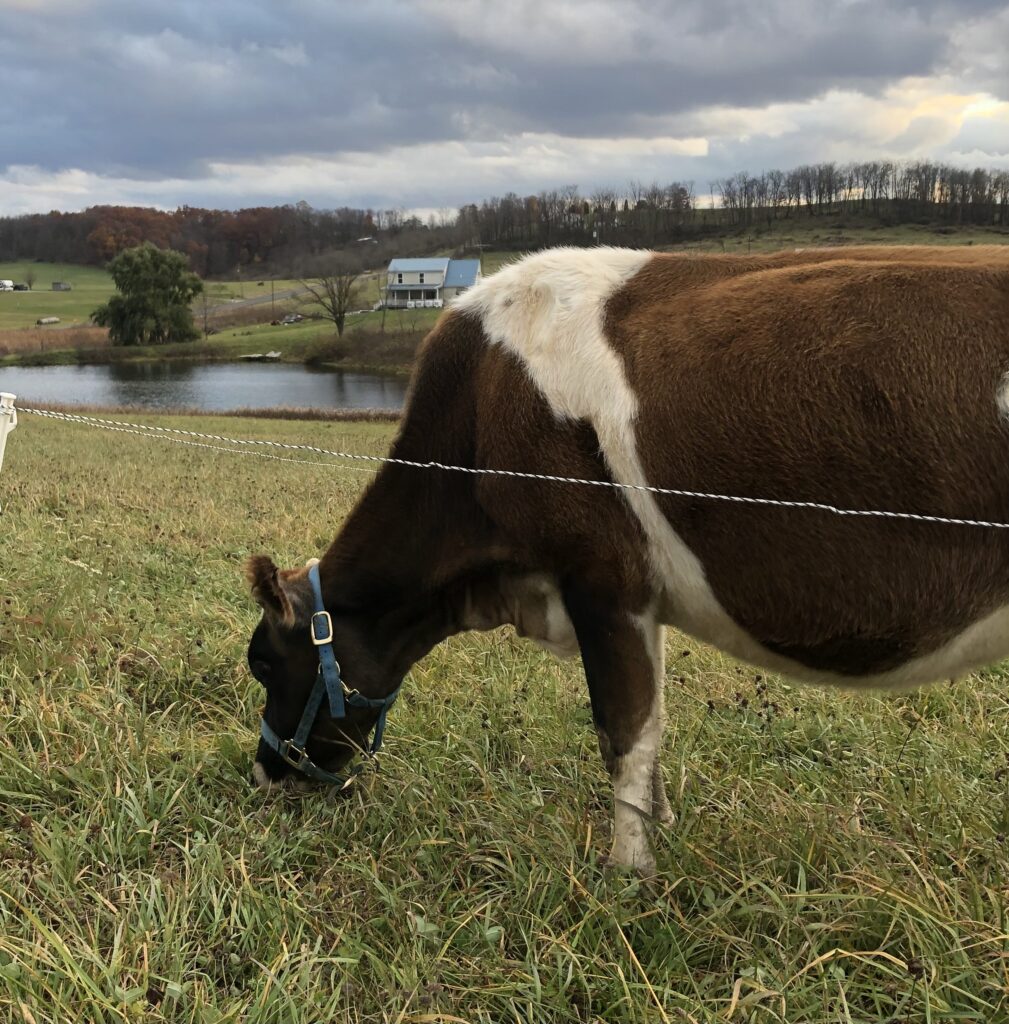
But back to the conclusion of our story. It was fall 2021. There we were, in rural Ohio, with our chickens, our cow, a handful of goats, our broken sliding door, and our rotting deck railings. We could finally consider ourselves farmers.

This is such fantastic post! It’s like we’re right there! Great points here and you make it sound like this is within reach and that’s inspiring!